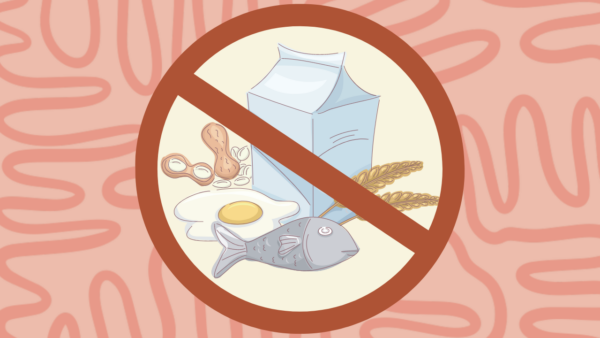
Two Quick Ways to Discover Food Sensitivities

February 9, 2023

Annual Subscription, food sensitivities, Food Sensitivity, Free Trial Member, Quarterly Subscription, testing

We wanted to look at two Quick And Easy Ways To Find Out If You Have Food Sensitivities and then what to do once you know.

You want to know if your body is reacting to any of the foods you eat. You really do. Inflammation in the body is the root cause of many diseases. We’re not talking about a sore knee but total body (systemic) inflammation. Often, we are unaware of this systemic inflammation as it produces few symptoms. If it does produce symptoms, they are usually mild and nonspecific, like fatigue, poor sleep, poor concentration, irritability, or mild generalized aches and pains.

Many things can cause inflammation and sometimes the food we eat produces inflammation. Having a food sensitivity, food allergy or an inflammatory reaction to a food all mean the same thing. Not that food is the biggest problem for many people, but it is the one thing in a long list of things causing inflammation that we can control. We have 100% control over what we put in our mouths.

TWO QUICK AND EASY WAYS

Let’s discuss two methods that are easy, simple and cheap to determine if the foods you eat are having a negative inflammatory effect.

1.)  The Coca Pulse Test 

2.)  Daily morning weigh-in

A note upfront: For these exercises to be of use, we recommend keeping a diary of the foods you eat. Also, if you are on drugs like beta blockers or calcium channel blockers the Coca Pulse Test may not be helpful.

1.)  Coca Pulse Test.

In its simplest form, you are:

  • Taking your pulse before a meal,
  • Eating in a relaxed, unhurried atmosphere.
  • Checking your pulse again at 15 minutes 30 minutes and 60 minutes after the meal.

If your pulse rate is up by six to eight beats per minute after eating then you are reacting to something you just ate. If the pulse is elevated by 10 to 12 beats per minute or more, you are reacting to two or more of the foods you just ate.

How this works:

If our body has a negative reaction to a food we eat, it is a type of stress. One effect that stress has is to elevate our pulse rate. The bigger the stress, the more the pulse rate increases. (See below to learn how to figure out which of the foods you eat you might be reacting to.)

What about blood tests for diagnosing food sensitivities? They are quite costly and we have found them inaccurate. Use the simpler Do It Yourself methods and spend the dollars you save on a nice vacation.

2.)  Daily Morning Weigh In.

This method is less precise since it is looking at everything you’ve eaten over the previous 24 hours.

1.)  Weigh yourself every morning at the same time before you have had anything to eat or drink. This method works best if for two days you eliminate foods that commonly cause reactions like wheat, cow dairy, shellfish, and foods with added sugars as well as any foods you know you’re allergic to.

2.)  Resume your usual diet, including any of the foods you eliminated. If your weight increases by two to three pounds or more on any given day, it indicates a reaction to something you ate the previous day.

3.)  Continue Daily Morning Weigh-Ins for a few more days. Note if your weight changes if you add a new substance or a different food.

How this works:

A weight gain of two to three pounds or more over one day is probably due to water retention (edema) due to inflammation, most likely caused by a reaction to something you ate.

SO NOW WHAT?

Now that you sense that something is off, how do you determine which foods are stressing your body and causing inflammation?

We have three methods we use. All involve a form of an elimination diet where certain foods are eliminated for a time then added back into the diet while you make note of how your body responds. (The “ION test”  (Download Here) – taken before and after these trials provides a useful objective measure of level of health and how it is changing.)

1.)  Simple Elimination Diet:

For a minimum of four to six weeks eat no wheat, cow dairy or foods with added sugar. If there are other foods you know you are allergic to, avoid those as well. Total avoidance is critical. After four to six weeks slowly add these foods back in and note how you feel, how your body functions and how you do with the Coca Pulse Test or a Daily Weigh-In test.

2.)  Fat Flush Plan:

Follow The FAT FLUSH PLAN by Louise Gittleman (Link) staying on Phase One for four weeks. You can do this as a self-directed project or if you want support, enroll in the next Healthy Eating Workshop (Click Here for information). Either way you will want to Get A Copy of the original FAT FLUSH PLAN book. Copyright 2001. The fat flush plan is a “proactive” approach using only real food. You choose from a list of recommended foods. Menus and recipes are provided, making this an easy eating plan to follow. Phase One does not include grains, simple carbohydrates, dairy, sugars or processed foods, and the menus cleverly follow some basic rules about healthy food combining. This is still our favorite plan.

3.) Alternate Approach to Allergies Plan:

If you’re dealing with very serious health challenges like any type of autoimmune disease, long COVID, fibromyalgia or ME / CFS or any type of malignancy we recommend a more thorough program of food elimination. Our favorite approach now is also self-directed following a program described in the book, AN ALTERNATIVE APPROACH TO ALLERGIES (LINK) by Theron G. Randolph, MD And Ralph W. Moss PhD. GET THE BOOK and do the program.

WRAP UP

You can use the Coca Pulse Test alone to do a deeper dive into figuring out which foods you are sensitive to.

Some ideas for this are included in this downloadable PDF: Download the PDF here.

In the end you have a great deal of control of what you eat, and the quality of that food. Beginning with simple approaches like these can give you great and actionable information to transform a food sensitivity. If you need help always feel free to contact us.

For your health.

LEARN ABOUT MEMBERSHIP